
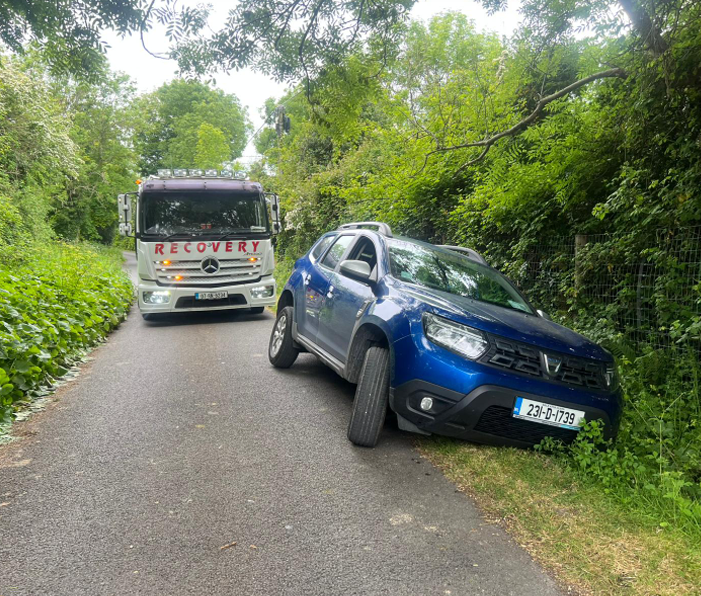
When your car refuses to start, cuts out in traffic, or leaves you stranded at the roadside, the first question is usually simple: do I need a mobile mechanic or a tow truck? In Dublin, that decision can save you time, stress, and money. Call the wrong service and you may wait longer than necessary, pay for a call-out that cannot solve the problem, or risk driving a vehicle that should not be on the road.
The short answer is this: a mobile mechanic is usually best when the car can be diagnosed and repaired safely where it is, while a tow truck is the right choice when the vehicle is unsafe, immobilised, accident-damaged, illegally parked, or needs to be transported to a garage, home, tyre centre, or dealership. However, real breakdowns are rarely that neat. A flat battery might need a jump start, a starter motor could need repair, a puncture might be fixable on-site, or a warning light could mean you should stop immediately.
This guide explains the practical differences between mobile mechanics and tow trucks in Dublin, when to choose each option, common real-world examples, and what to do while you wait. Whether you are stuck outside your home in Tallaght, on a busy route near the M50, in a city-centre loading bay, or in a supermarket car park in Blanchardstown, the right decision starts with safety and the condition of the vehicle.
What Does a Mobile Mechanic Do?
A mobile mechanic travels to your location to inspect, diagnose, and in some cases repair your car without you having to bring it to a workshop. This can be ideal when the problem is relatively contained and the vehicle is in a safe place, such as your driveway, workplace car park, or a quiet side road. Mobile mechanics often help with battery issues, basic diagnostics, minor electrical faults, replacement parts, fluids, belts, sensors, and other common faults that can be handled at the roadside or at your home.
The major advantage is convenience. If the car will not start outside your house, a mobile mechanic may be able to diagnose the fault and get you moving without the cost and disruption of towing. They may also be useful if you have a warning light, a suspected alternator problem, a faulty starter, a misfire, or a vehicle that needs a pre-garage assessment. A good mobile mechanic can often tell you whether the car is repairable on-site or whether recovery is the safer option.
However, a mobile mechanic is not a substitute for a recovery truck in every situation. They generally cannot safely work on a car stopped in a live traffic lane, on a dangerous bend, in a motorway hard shoulder situation, or after a serious collision. They may also be limited if the repair requires a ramp, specialist workshop tools, extensive disassembly, heavy parts, coding equipment, or immediate access to multiple replacement parts.
What Does a Tow Truck Do?
A tow truck or vehicle recovery service moves your car from one location to another. In Dublin, that could mean recovering a broken-down car from the roadside, transporting a non-runner from an apartment car park, moving an accident-damaged vehicle, collecting a car with a failed clutch, or bringing a vehicle to a garage for repairs. The tow truck does not usually complete the mechanical repair on the spot; its job is to move the vehicle safely and efficiently.
Towing is often the best option when the car cannot be driven without causing further damage or creating a hazard. Examples include overheating engines, serious oil leaks, clutch failure, gearbox problems, snapped suspension components, damaged wheels, steering faults, brake failure, or situations where warning lights suggest the vehicle should not continue. If the car is blocking traffic or in an unsafe place, recovery is usually more appropriate than trying to diagnose the issue on the roadside.
A tow truck also gives you flexibility. You can choose to send the vehicle to your trusted garage, main dealer, tyre shop, home address, or secure storage location. That matters when the car needs workshop equipment, when parts are not available immediately, or when you simply need the vehicle removed from a stressful location before arranging repairs.
Mobile Mechanic vs Tow Truck: The Quick Decision Guide
If you are unsure which service to call, start with three questions: Is the vehicle in a safe place? Can it be repaired where it is? Would driving or running the engine risk further damage? Your answers will usually point you in the right direction.
| Situation | Best first call | Why |
|---|---|---|
| Flat battery at home or work | Mobile mechanic or roadside assistance | Often fixable with testing, jump start, or replacement battery. |
| Car stopped in a dangerous location | Tow truck | Safety and vehicle removal matter more than on-site repairs. |
| Engine overheating | Tow truck | Driving can cause serious engine damage. |
| Minor warning light but car drives normally | Mobile mechanic | Diagnostics may identify whether it is safe to continue. |
| Accident damage | Tow truck | Hidden steering, suspension, or structural damage may make driving unsafe. |
| Puncture with usable spare and safe location | Mobile mechanic or tyre assistance | May be repaired or changed on-site. |
| Clutch failure or gearbox will not engage | Tow truck | The car is usually not safely driveable. |
When a Mobile Mechanic Is Usually the Better Choice
1. The Car Will Not Start at Home
A non-starting car in your driveway is one of the best use cases for a mobile mechanic. The vehicle is not blocking traffic, there is space to inspect it, and there is less pressure than on a busy road. The issue might be a flat battery, faulty starter motor, bad alternator, immobiliser problem, fuel issue, or sensor fault. A mechanic can test the battery, check charging output, scan for fault codes, and advise whether repair is possible immediately.
For example, if your car clicks when you turn the key on a cold Dublin morning, it may simply need a battery test and replacement. Towing the car to a garage may still work, but it could be unnecessary if the issue can be fixed on the spot. On the other hand, if the mobile mechanic finds that the timing belt has failed or the starter is inaccessible without workshop equipment, towing may become the next step.
2. You Need Basic Diagnostics Before Making a Decision
Modern cars can show warning lights for anything from a loose fuel cap to serious engine management faults. A mobile mechanic can often perform diagnostic checks and give you a clearer idea of the problem. This is useful if the car is parked safely and you want to avoid unnecessary recovery. Diagnostics can also help you decide which garage or specialist should receive the vehicle if towing is required later.
That said, a diagnostic scan is not magic. Fault codes are clues, not always final answers. A code may point toward a sensor, but the actual fault could be wiring, an air leak, fuel pressure, or another related component. If the vehicle is misfiring badly, smoking, overheating, losing oil, or showing red warning lights, you should be cautious about starting or driving it while waiting for a diagnosis.
3. The Problem Is Minor and the Location Is Safe
Some problems are annoying but not necessarily major. A dead battery, loose connection, blown bulb, minor coolant top-up, faulty wiper, or certain tyre issues may be handled on-site if conditions are safe. A mobile mechanic is particularly helpful if you are at work and cannot easily leave the vehicle, or if the car is in an apartment complex where towing access may be awkward but a mechanic can attend with tools.
The key phrase is “conditions are safe.” Even a simple repair should not be attempted beside fast-moving traffic, in poor visibility, or in a place where the mechanic would be exposed to danger. If the car is in a live traffic lane, on a narrow hard shoulder, or in a risky position, recovery should take priority.
When a Tow Truck Is Usually the Better Choice
1. The Vehicle Is in an Unsafe Position
If your car has stopped somewhere dangerous, the priority is not diagnosing the fault. The priority is getting you and the vehicle out of harm’s way. This applies to busy city roads, dual carriageways, motorway approaches, roundabouts, bends, junctions, bus lanes, and any location where other drivers may not see the car in time. A tow truck can remove the vehicle and take it somewhere safer for inspection.
Dublin traffic adds another layer of urgency. A breakdown on a narrow route can quickly create congestion and put you under pressure from other road users. If the car cannot be moved under its own power, calling for recovery is usually the most practical option. Do not attempt to push a car through traffic unless it is clearly safe and you have help; even then, only move it a very short distance to reduce immediate danger.
2. The Car Has Been in an Accident
After a collision, even a car that appears driveable may have hidden damage. Steering, suspension, brakes, wheels, tyres, lights, sensors, and cooling components can all be affected. If airbags have deployed, fluids are leaking, the wheel alignment looks wrong, the bonnet will not close, or the car feels unstable, it should not be driven. A tow truck is the safest option.
Another reason to choose towing after an accident is documentation and controlled movement. You can have the vehicle transported to a repairer, insurer-approved garage, body shop, or home location rather than making a rushed decision at the roadside. This helps avoid further damage and reduces the chance of being stranded again a short distance later.
3. There Are Signs of Serious Mechanical Damage
Some warning signs mean you should stop driving and arrange recovery. These include engine overheating, red oil pressure warning lights, brake warning lights, severe vibration, grinding noises, smoke, loss of power steering, coolant loss, fuel leaks, or a strong burning smell. Continuing to drive can turn a repairable problem into a major engine, gearbox, or safety issue.
For instance, if your temperature gauge rises into the red while you are crossing the city, pulling over and calling a tow truck may save the engine. A mobile mechanic might be able to identify a burst hose or failed fan, but if the vehicle is hot, leaking coolant, and in traffic, towing to a garage is usually the safer and more reliable route.
4. The Car Cannot Be Repaired at the Roadside
Some repairs need a lift, workshop lighting, specialist tools, alignment equipment, coding systems, or several hours of labour. Clutch failure, gearbox faults, major suspension damage, timing belt issues, seized brakes, and many electrical problems are not practical roadside repairs. In these cases, a mobile mechanic might confirm the fault, but a tow truck is needed to bring the vehicle to the right repair location.
Common Dublin Breakdown Scenarios
Scenario A: Flat Battery in a Driveway
Your car has been sitting for a few days and will not start. The dashboard lights flicker and the engine barely turns over. Because the car is parked safely, a mobile mechanic or battery assistance service is usually a sensible first call. If the battery is replaced and the alternator charges properly, you may avoid towing altogether. If the car still will not start after battery testing, recovery may be needed for workshop diagnosis.
Scenario B: Puncture on a Busy Road
A puncture can go either way. If you are in a safe car park with a good spare wheel, a mobile service may be able to change it. If the tyre has blown on a busy road, or if you do not have a spare, the vehicle may need to be recovered to a tyre centre. Driving on a flat tyre can destroy the tyre, damage the wheel, and create a steering risk, so do not continue unless it is only to move a very short distance to safety.
Scenario C: Warning Light on the M50 Approach
If an amber engine light appears but the car drives normally, you may be able to exit safely and arrange diagnostics. If a red warning light appears, the engine loses power, the temperature rises, or the car feels unsafe, stop as soon as it is safe and arrange recovery. Busy high-speed routes are not suitable places for extended roadside repairs. In that situation, a tow truck is usually the better first call.
Scenario D: Car Stuck in an Underground Car Park
Underground and multi-storey car parks can be tricky because height restrictions may prevent standard recovery trucks from entering. A mobile mechanic may be useful for diagnosis, jump starting, battery replacement, or getting the car into neutral. If towing is required, the recovery operator may need details such as ceiling height, ramp access, whether the wheels turn, whether the steering works, and whether the vehicle can be winched. The more information you provide, the easier it is to send the correct equipment.
What to Do While You Wait
Before thinking about repairs, make the scene as safe as possible. Switch on hazard lights, move away from traffic if you can, and avoid standing between vehicles. If you are on a high-speed road or in a dangerous position, leave the car only if it is safe to do so and wait behind a barrier or away from the carriageway. Keep passengers, children, and pets away from the road.
Gather useful details for the mechanic or recovery operator. Your exact location is the most important: street name, nearby landmark, direction of travel, car park level, eircode if available, and whether the vehicle is blocking traffic. Then describe the vehicle make and model, registration, whether it starts, whether it rolls, whether the steering works, whether there is visible damage, and whether any warning lights are showing.
Do not keep trying to start the engine if there are signs of overheating, oil pressure problems, smoke, fuel smells, or grinding noises. Repeated attempts can drain the battery or worsen the fault. If you suspect a serious issue, wait for professional help rather than forcing the vehicle to move.
Cost Considerations: Which Is Cheaper?
There is no single answer because the cheapest option depends on the fault, location, time, distance, and required repair. A mobile mechanic call-out may be cheaper if the problem is simple and fixed on-site. For example, a battery replacement at home could avoid both towing and garage delays. However, if the mechanic attends and the vehicle still needs towing, you may end up paying for two services.
A tow truck may seem more expensive at first, but it can be the better value when the vehicle needs workshop attention anyway. If the car has a failed clutch, major leak, accident damage, or serious overheating, towing directly to a garage prevents wasted time. It can also reduce the risk of causing further damage by attempting to drive.
The best approach is to be honest about the symptoms when you call. Explain exactly what happened, where you are, and what the car is doing now. A reputable provider should help you decide whether roadside assistance, mobile diagnosis, or recovery is most appropriate.
Questions to Ask Before Booking
- Can the vehicle be safely inspected where it is? If not, recovery should come first.
- Do you handle this type of fault? A mobile mechanic may not cover every repair.
- What information do you need about access? This is vital for apartments, car parks, and narrow streets.
- Can the car be taken to my chosen garage? If you need towing, confirm the destination.
- What are the call-out, labour, towing, or distance charges? Clear pricing prevents surprises.
- What happens if the car cannot be repaired on-site? Ask whether recovery can be arranged next.
So, Which One Do You Need?
Choose a mobile mechanic when the vehicle is parked safely, the fault is likely to be diagnosable or repairable on-site, and there is no immediate danger in inspecting it where it is. This is often the case for a car that will not start at home, a flat battery, minor diagnostics, or a problem in a safe car park.
Choose a tow truck when the vehicle is unsafe to drive, blocking traffic, accident-damaged, overheating, leaking fluids, showing serious warning signs, or likely to need workshop equipment. Towing is also the better choice when the location is dangerous or the vehicle must be moved quickly and safely.
If you are still unsure, describe the situation clearly when you call for help. The safest providers will not push you toward a service you do not need; they will help you work out whether on-site assistance is realistic or whether recovery is the smarter option.
Conclusion
In Dublin, the difference between calling a mobile mechanic and a tow truck comes down to safety, access, and the seriousness of the fault. A mobile mechanic can be a convenient solution for many driveway, workplace, and low-risk breakdowns. A tow truck is essential when the vehicle cannot be driven safely, when the repair needs a workshop, or when the car is stuck somewhere dangerous.
When in doubt, do not gamble with a vehicle that may be unsafe. Pull over if you can, protect yourself and your passengers, note your location, and explain the symptoms clearly. The right help at the right time can prevent further damage, reduce stress, and get your car moving toward the safest solution.